The STR Tech Stack Is Collapsing — Here's What Smart Operators Are Building Instead
The 15-tool STR tech stack is dying. Learn why data fragmentation costs operators 20-30% of revenue, and what unified platforms like Enso Connect are replacing it with.

The STR Tech Stack Is Collapsing — Here's What Smart Operators Are Building Instead
For a decade, the standard advice for serious short-term rental operators was to use the best tool for each job. Best-in-class PMS. Best-in-class pricing. Best-in-class messaging. Best-in-class review management. Stack them together, connect them with integrations, and you'd have a world-class operation.
It was good advice for its time. That time is ending.
The Hidden Tax of Fragmented Systems
The assumption behind the multi-tool stack was that integration was cheap. It's not.
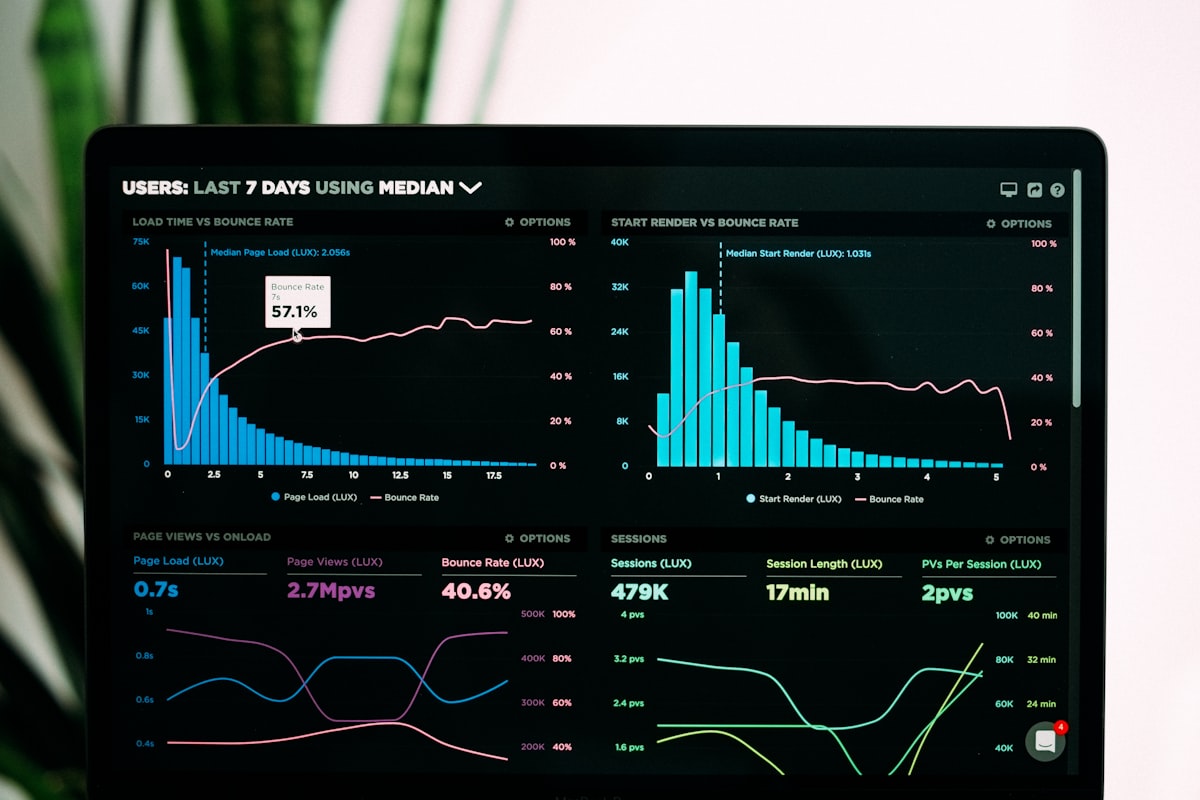
Data silos aren't an inconvenience — they're a measurable tax on revenue. Industry research across property management operations puts the cost of data fragmentation at 20–30% of annual revenue. For a portfolio generating $1M annually, that's $200,000–$300,000 leaking through the gaps between disconnected systems.
The mechanics of this loss are subtle but real:
Manual reconciliation time: When your pricing tool doesn't talk to your messaging platform, someone has to translate between them. When your maintenance system isn't connected to your guest communication flow, information gets lost or delayed.
Missed revenue windows: Upsell opportunities that require checking three different systems before you can respond are opportunities that close before you act. Real-time decisions require real-time data.
Guest experience gaps: When a guest messages on Airbnb, books a late checkout through a separate portal, and your cleaning team uses a different app, the probability of something falling through the cracks is high.
Integration fragility: The API between your channel manager and your PMS that works fine in normal conditions becomes a single point of failure at the worst possible moment — a sold-out weekend, a high-profile guest, a property issue.
The Stack Is Collapsing Into the Core
The market is responding. What's happening isn't just consolidation for the sake of simplicity — it's physics.
AI gets exponentially more powerful when data lives in one place. A guest communication AI that can see booking history, property details, pricing, maintenance schedules, and upsell history will dramatically outperform one that only sees the message thread. The power law of unified data is real: more context means better predictions, better automation, and better guest experiences.
What Changes | Fragmented Stack | Unified Platform |
|---|---|---|
Guest inquiry | Routes to messaging tool, team responds manually | AI responds in seconds with full reservation context |
Upsell opportunity | Team checks calendar, messages guest, coordinates ops | Automated offer sent at optimal moment, loop closes automatically |
Maintenance issue | Message on OTA → phone call → separate app | All coordination in one connected thread |
Review follow-up | Manual process across multiple OTA portals | Automated requests at scientifically optimal timing |

The Enso Connect Philosophy
Enso Connect was built around a straightforward premise: the guest journey should be a single connected experience, not a handoff between disconnected tools.
The platform brings together what has historically required multiple point solutions:
Guest messaging across all channels (OTA threads, SMS, email, WhatsApp) in a unified inbox
Digital check-in with ID verification, rental agreements, and damage protection
Upsell automation from opportunity detection through purchase and operational execution
Review management with automated post-stay requests and response tools
Property guidebooks and guest portal for self-service information throughout the stay
The integration goes deeper than a surface-level dashboard. When a guest completes a digital check-in, that data informs the AI messaging context. When they purchase an upsell, operations are automatically notified. When they check out, the review request goes out at the right moment. The stages are connected because they're all in the same system.

What This Means for Operators by Scale
Under 10 units: The ROI case for a unified platform is clear. You're probably doing everything manually or with basic tools. A single platform that handles messaging, check-in, upsells, and reviews replaces four separate subscriptions and dozens of hours of monthly work.
10–50 units: This is where fragmented stacks become genuinely painful. You're big enough that manual processes don't scale, but small enough that you can't afford a dedicated operations team. A unified platform with strong automation is the operating leverage you need.
50+ units: At this scale, the compounding advantage of unified data becomes significant. AI systems with full operational context dramatically outperform point-solution stacks. Integration management isn't just inconvenient — it's a risk to operational stability.
The Consolidation Isn't Coming. It's Here.
The operators moving fastest in 2026 aren't the ones who've added the most tools. They're the ones who've reduced the most friction — in their own operations and in their guests' experience.
The 15-tool stack had its moment. Its successor is a unified platform that executes the guest journey from booking to post-stay review as a single connected system.
The question isn't whether you'll consolidate. It's whether you do it proactively — on your terms — or get forced into it by competitive pressure.
Explore how Enso Connect consolidates the guest journey into a single system. Book a demo to see what unified operations looks like.
Save your seat at the conversation.
60 minutes with the people redefining loyalty in short-term rentals. Free to attend — recording sent to everyone who registers.