Buildign an AI-Powered Vacation Rental Brand

Guide to Building an AI Powered Vacation Rental Brand

AI-driven search is transforming hospitality. See how vacation rental brands can stay visible and competitive in an AI-powered travel landscape.

December 18, 2025

Buildign an AI-Powered Vacation Rental Brand

TL;DR:
AI is transforming how travellers discover, select, and experience hospitality brands. Search is becoming emotional and visual, brand consistency is now a ranking signal, and guest experience is being reshaped by agentic AI. Operators who adapt will stay visible and competitive.


Artificial intelligence isn’t a trend - it’s the biggest technological shift since the internet. And across the short-term rental industry, one message has been impossible to ignore: AI is reshaping how travelers search, how brands are discovered, and how guest experiences are delivered.

This theme surfaced repeatedly at major industry events - from VRMA and DARM to SCALE France and other local STR gatherings. Conversations consistently pointed to the same reality: the comeback of the hospitality brand, driven by the growing impact of AI on search engines, guest behavior, and customer expectations.

At SCALE France 2025, Enso Connect and Smily explored this shift in a keynote that resonated strongly with vacation rental professionals, short-term rental managers, and rental property managers navigating this new landscape.

What follows is a practical, actionable guide - directly inspired by that presentation - for operators ready to strengthen their brand, improve guest communication, and deliver exceptional guest experiences using AI.


The New Reality: Travelers Don’t Search With Keywords Anymore, They Search With Emotion

We’ve officially entered an AI-first era of travel discovery.

Travelers no longer rely solely on keyword-based searches like “villa in Nice with hot tub.” Instead, AI systems and large language models interpret intent, emotion, and aesthetics in real time.

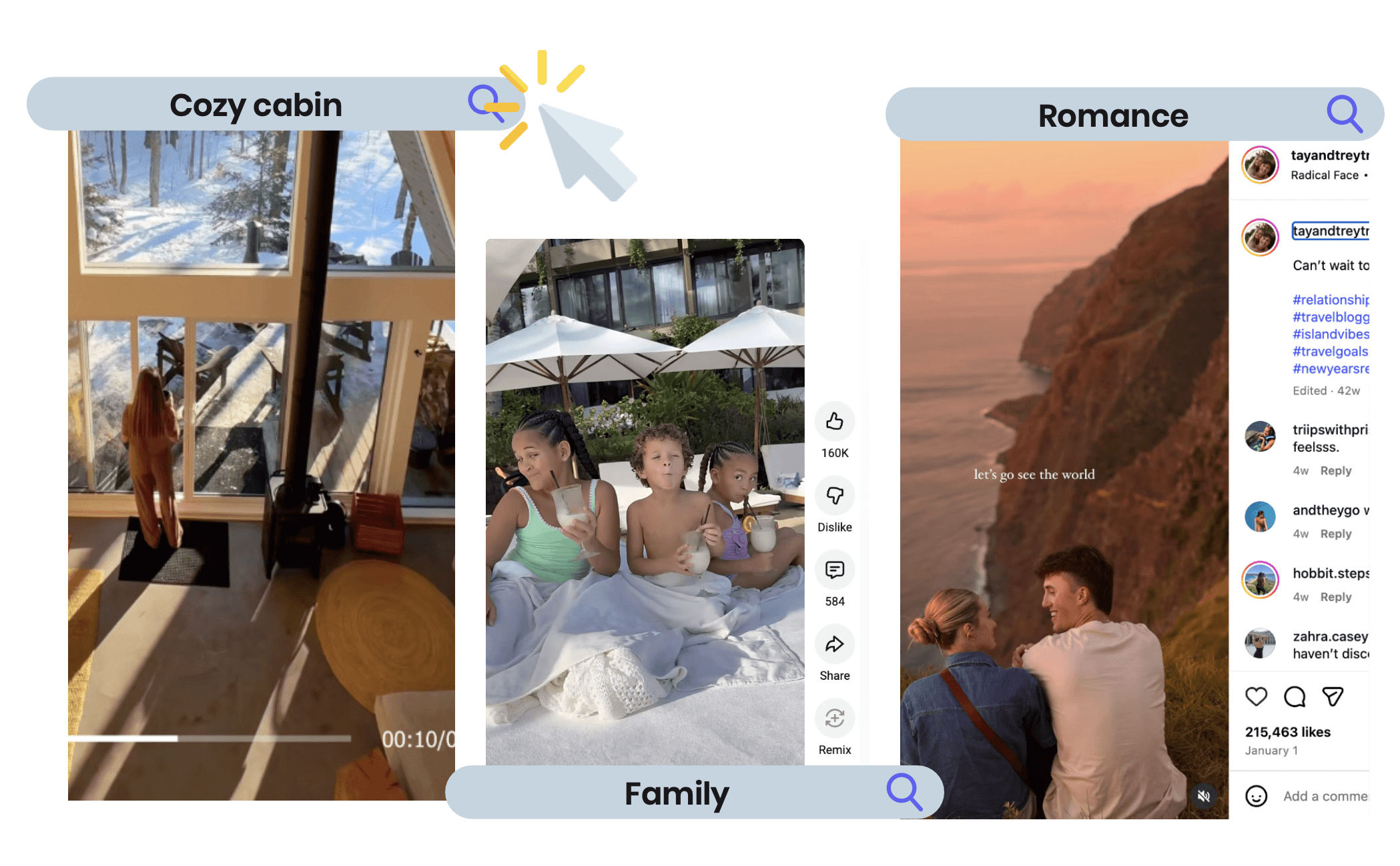
Today, travelers describe what they want visually and emotionally:

  • Cosy cabin

  • Family getaway

  • Romantic escape

Vacation rental search on social media

Image: How today's travelers research accommodation options on social media.

Platforms like TikTok, Instagram, and AI-powered interfaces such as ChatGPT increasingly shape how short-term vacation plans are formed. These signals are then interpreted by search engines and online travel agencies, influencing which rental properties are surfaced.

The shift is measurable:

  • 75% of Millennials say social media influences their travel decisions

  • 66% book short-term rentals directly from their smartphone

AI now sits at the very top of the funnel - visual, emotional, and personalized.

What This Means for Vacation Rentals

For vacation rentals and short-term rental businesses, the task is clear: be discoverable in AI-driven search ecosystems, not just OTAs.

That requires:

  • Stronger property descriptions

  • High-quality, emotionally resonant visuals

  • A consistent brand identity

  • A unified digital presence across channels

This is the new starting point for competing effectively in the future of travel.


Why a Hospitality Brand Matters More Than Ever in an AI-Driven World

The rise of artificial intelligence has brought brand back to the center of the hospitality industry.

Your brand is not defined by what you claim — it’s defined by what AI systems and travelers infer from your digital footprint.

AI evaluates hospitality brands through:

  • Photos of rental properties

  • Property descriptions

  • Positive reviews and ratings

  • Social content

  • Tone of guest interactions and guest communication

In an AI-powered environment, consistency and clarity are no longer optional.

The 3-P Hospitality Brand Framework for the AI Era

Image: The 3Ps of the AI-Powered Hospitality Brand

1. Promise
The experience you consistently deliver. clearly defined and intentional.
Not “something for everyone,” but focused on specific traveler profiles such as families, couples, digital nomads, or luxury guests.

2. Personality
How your brand looks and sounds.
Warm and cosy? Minimalist and modern? Playful and relaxed?
Your visuals, language, and communication style must align across every touchpoint.

3. Proof
Why travelers, and algorithms, should trust you:

  • Strong review averages

  • A high percentage of 5-star ratings

  • User-generated content

  • Consistent branding across platforms

Algorithms reward consistency, proof, and personalization in narrow, well-defined use cases.


How AI Helps Vacation Rental Professionals Build a Stronger Brand

AI helps hospitality brands stay consistent while adapting visuals, listings, and experiences to traveler intent, making rental properties clearer, more relevant, and easier to discover in AI-driven search.

Sebastien Grosjean, CEO and Founder of Smily property management software explains it: "AI tools are fundamentally changing how hospitality brands are expressed, understood, and discovered - not by replacing creativity or human judgment, but by making brand signals clearer, more consistent, and more relevant at scale."

Travelers no longer encounter your brand in a single place or moment. They encounter it through fragmented signals - photos, listings, social content, search results, and AI-driven recommendations. And all these are interpreted by algorithms before a human ever sees them.

AI helps short-term rental managers and rental management companies bring coherence to those signals.

From Static Listings to Context-Aware Brand Expression

Traditionally, listings and visuals were static. A single set of photos and a single description had to work for every traveler, every season, and every use case.

AI changes that.

STR professionals can now independently:

  • Improve property photos to better reflect quality and atmosphere
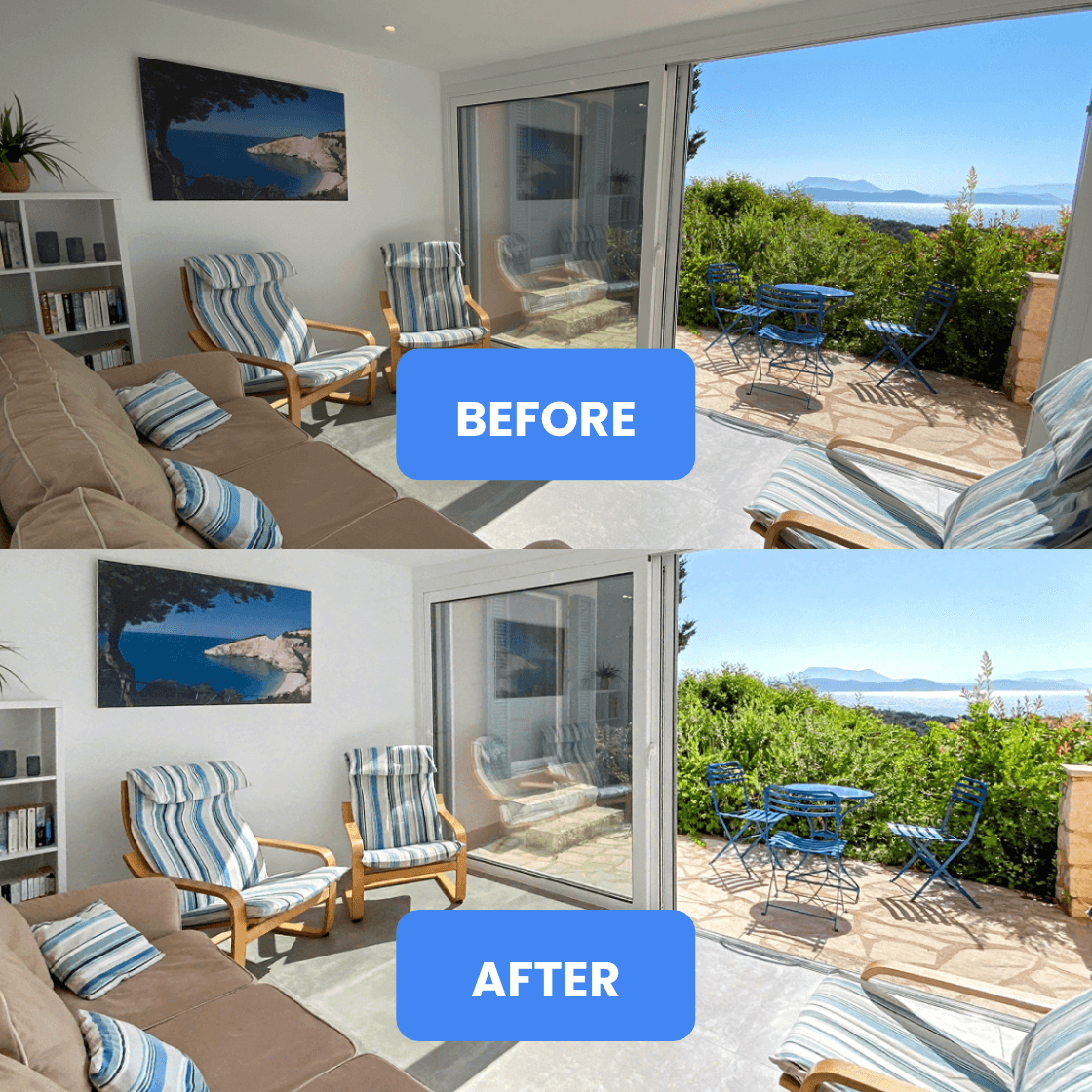
    AI can enhance the quality of your STR property photos


  • Adapt visuals by season, aligning imagery with how travelers search at different times of year

    Adjust your vacation rental photos to the season with AI


  • Personalize images to resonate with specific guest segments, such as families, couples, or remote workers

    Adjust your vacation rental property photos to the guest type with AI


  • Tailor listing content based on seasonality or detected traveler intent

  • Customize website experiences in real time

    This allows a hospitality brand to remain consistent in identity, while becoming flexible in expression.

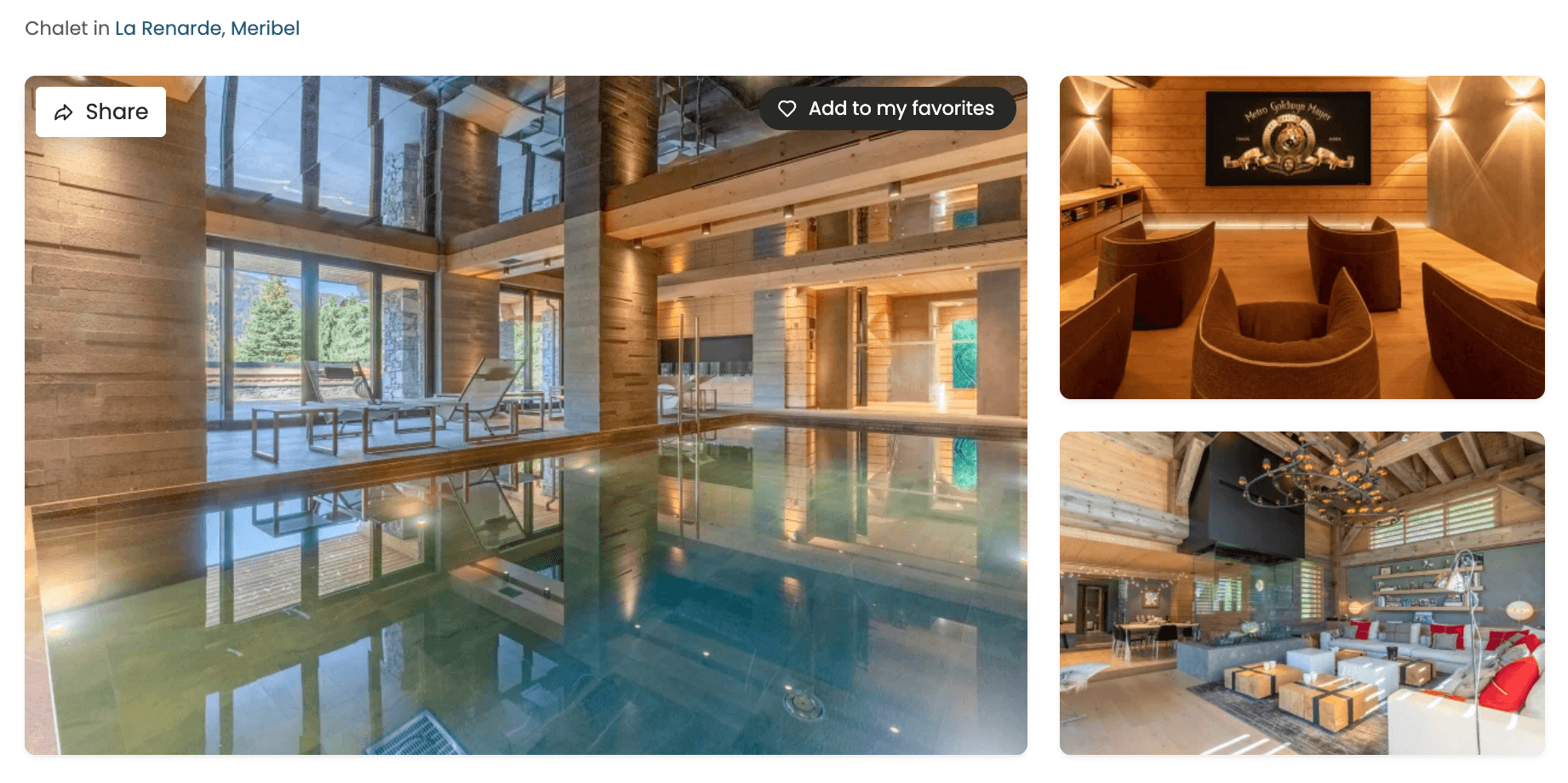
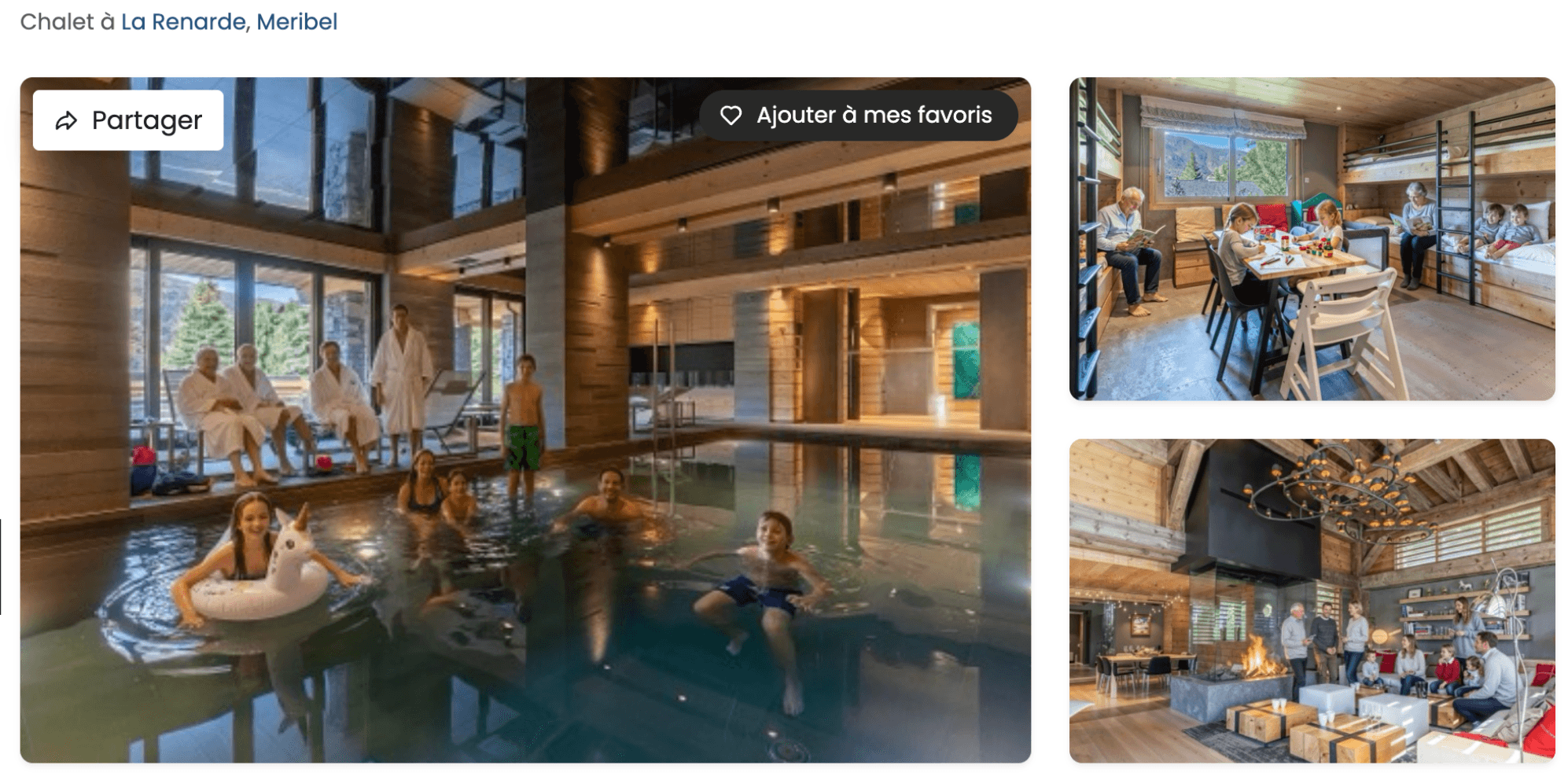
    Here’s a real-life example of AI personalizing short-term rental listings based on seasonality and the ideal guest type - Chalet Le Nolde.

    Generic listing

    Personalized listing

    Start with a FREE listing audit by Smily and unlock all the AI advantages in your short-term rental property.


Why This Matters for Brand Perception

In an AI-driven discovery environment, brand is no longer judged by slogans or positioning statements. It is inferred from:

  • Visual coherence

  • Relevance to the traveler’s intent

  • Consistency across touchpoints

AI helps ensure that what travelers, and AI systems, infer about your brand matches what you intend to communicate.

This is especially important as AI-driven search increasingly filters, ranks, and recommends properties before travelers actively compare options. When visuals, listings, and experiences align with intent, the brand feels intuitive and trustworthy.

AI as an Amplifier, Not a Replacement

This is not about automating creativity or replacing human decision-making.

Instead, AI acts as a powerful tool that:

  • Reduces manual effort in adapting brand assets

  • Maintains consistency across channels

  • Helps brands present rental properties more clearly and more personally

By handling adaptation and scale, AI allows hospitality teams to focus on defining what the brand stands for, while technology ensures it is expressed effectively wherever and however travelers are searching.

In this way, AI doesn’t dilute authenticity.
It protects it, by making sure the right story reaches the right traveler at the right moment.

Guest Experience: Hospitality Reimagined Through Agentic AI

Francois Gouelo, Co-founder and CEO of Enso Connect reframes guest experience around three phases of the short-term rental journey:

  • Before the stay: onboarding, expectations, verification

  • During the stay: assistance, emergencies, upsells

  • After the stay: reviews, repeat bookings, loyalty
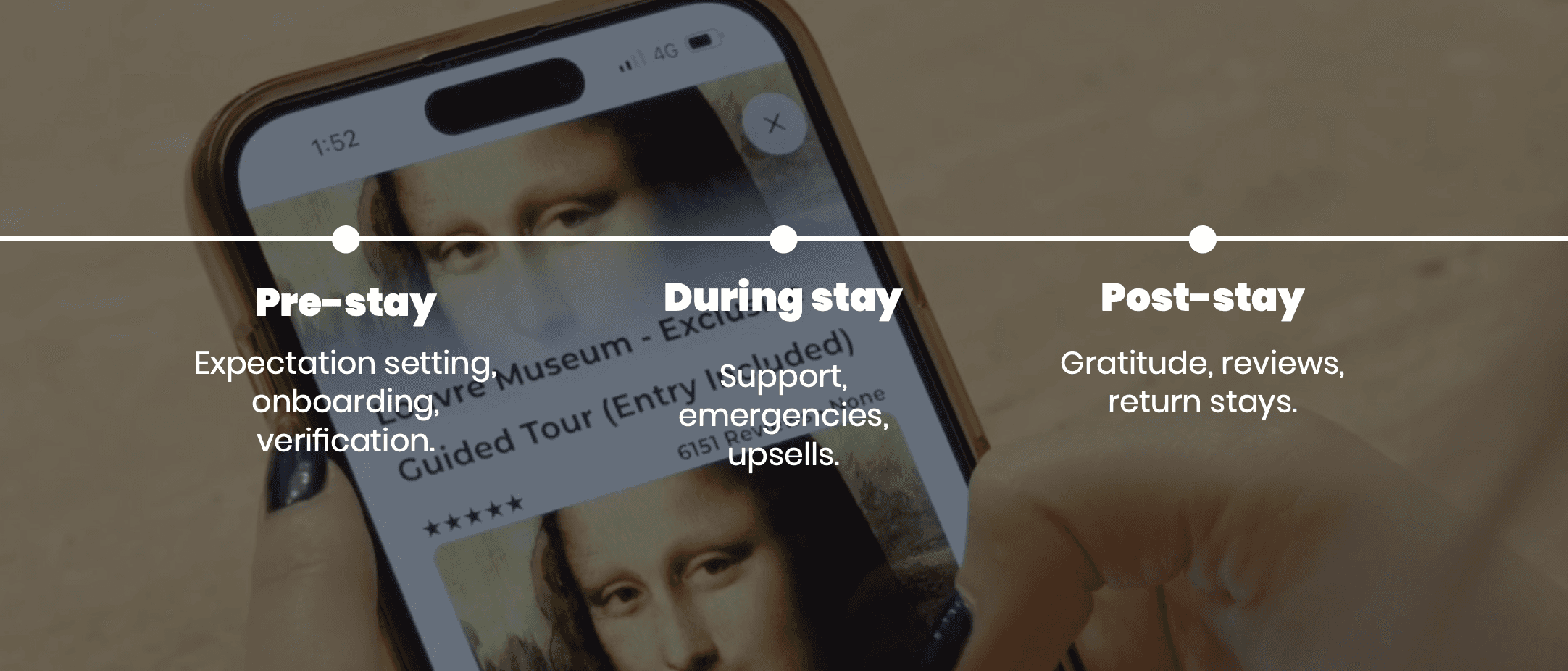
    Three phases of guest experience, that AI can support

Image: Three phases of guest experience, AI can support.

But the core idea is simple and direct:

“Responding to Wi-Fi questions at 11 p.m. is not hospitality.”

True hospitality is about:

  • Being present when something goes wrong

  • Anticipating guest needs

  • Creating memorable moments during the travel experience

AI should enhance, not reduce, the human side of hospitality.

Agentic AI vs. Generative AI

There's a clear differentiation between the two:

  • Generative AI: smarter content creation and autocomplete

  • Agentic AI: an autonomous system that takes action

Multi-agent AI systems can operate in parallel across:

This approach improves response times, supports real-time guest interactions, and protects team members from being overwhelmed by repetitive tasks.


Training AI Without Slowing Down Operations

One reality is unavoidable: teams don’t have time to “train AI” separately from their daily work.

Training must happen inside current operations.

The Enso Connect approach outlines five steps:

  1. Structure context (rules, SOPs, knowledge)

  2. Define clear guardrails

  3. Create operational procedures

  4. Let teams train AI naturally through real use

  5. Iterate continuously

The result:

  • Faster resolutions

  • Fewer errors

  • Higher guest satisfaction

  • Partial or full automation of guest communication

All without compromising accurate information or control.


Measuring What Matters in an AI-Driven Hospitality Business

Here's what to measure in order to stay on top on your hospitality performance in the AI era:

Search Metrics

  • Share of traffic coming from LLMs (ChatGPT, Claude, Gemini)

  • Listing quality

  • Funnel conversion performance

Brand Metrics

  • OTA dependency (no single OTA over 50%)

  • Direct bookings rate (30% minimum; 60% signals strong brand)

  • Review quality and consistency

Experience Metrics

  • Upsell revenue per stay

  • Response and resolution times

  • Automation rate across guest interactions

These indicators offer a clearer picture of operational efficiency and long-term performance.

The Inevitable Future of the Hospitality Industry

By 2030, there will be two types of hospitality businesses:

  • Those that fully adopt AI

  • And those that don’t survive

This isn’t about fear, t’s about focus.

AI is not replacing hospitality professionals. It’s enabling them to deliver more thoughtful, more human experiences, at scale.

Final Takeaway

AI won’t replace you. But hospitality brands that effectively use AI will outperform those that don’t.

The winners will be those who:

  • Build emotionally resonant brands

  • Create AI-readable, visually compelling content

  • Automate repetitive tasks

  • Focus on meaningful guest moments

  • Measure what truly drives guest satisfaction and repeat bookings

The shift has already begun - from experimenting with AI to running a short-term rental business on AI.

TL;DR:
AI is transforming how travellers discover, select, and experience hospitality brands. Search is becoming emotional and visual, brand consistency is now a ranking signal, and guest experience is being reshaped by agentic AI. Operators who adapt will stay visible and competitive.


Artificial intelligence isn’t a trend - it’s the biggest technological shift since the internet. And across the short-term rental industry, one message has been impossible to ignore: AI is reshaping how travelers search, how brands are discovered, and how guest experiences are delivered.

This theme surfaced repeatedly at major industry events - from VRMA and DARM to SCALE France and other local STR gatherings. Conversations consistently pointed to the same reality: the comeback of the hospitality brand, driven by the growing impact of AI on search engines, guest behavior, and customer expectations.

At SCALE France 2025, Enso Connect and Smily explored this shift in a keynote that resonated strongly with vacation rental professionals, short-term rental managers, and rental property managers navigating this new landscape.

What follows is a practical, actionable guide - directly inspired by that presentation - for operators ready to strengthen their brand, improve guest communication, and deliver exceptional guest experiences using AI.


The New Reality: Travelers Don’t Search With Keywords Anymore, They Search With Emotion

We’ve officially entered an AI-first era of travel discovery.

Travelers no longer rely solely on keyword-based searches like “villa in Nice with hot tub.” Instead, AI systems and large language models interpret intent, emotion, and aesthetics in real time.

Today, travelers describe what they want visually and emotionally:

  • Cosy cabin

  • Family getaway

  • Romantic escape

Vacation rental search on social media

Image: How today's travelers research accommodation options on social media.

Platforms like TikTok, Instagram, and AI-powered interfaces such as ChatGPT increasingly shape how short-term vacation plans are formed. These signals are then interpreted by search engines and online travel agencies, influencing which rental properties are surfaced.

The shift is measurable:

  • 75% of Millennials say social media influences their travel decisions

  • 66% book short-term rentals directly from their smartphone

AI now sits at the very top of the funnel - visual, emotional, and personalized.

What This Means for Vacation Rentals

For vacation rentals and short-term rental businesses, the task is clear: be discoverable in AI-driven search ecosystems, not just OTAs.

That requires:

  • Stronger property descriptions

  • High-quality, emotionally resonant visuals

  • A consistent brand identity

  • A unified digital presence across channels

This is the new starting point for competing effectively in the future of travel.


Why a Hospitality Brand Matters More Than Ever in an AI-Driven World

The rise of artificial intelligence has brought brand back to the center of the hospitality industry.

Your brand is not defined by what you claim — it’s defined by what AI systems and travelers infer from your digital footprint.

AI evaluates hospitality brands through:

  • Photos of rental properties

  • Property descriptions

  • Positive reviews and ratings

  • Social content

  • Tone of guest interactions and guest communication

In an AI-powered environment, consistency and clarity are no longer optional.

The 3-P Hospitality Brand Framework for the AI Era

Image: The 3Ps of the AI-Powered Hospitality Brand

1. Promise
The experience you consistently deliver. clearly defined and intentional.
Not “something for everyone,” but focused on specific traveler profiles such as families, couples, digital nomads, or luxury guests.

2. Personality
How your brand looks and sounds.
Warm and cosy? Minimalist and modern? Playful and relaxed?
Your visuals, language, and communication style must align across every touchpoint.

3. Proof
Why travelers, and algorithms, should trust you:

  • Strong review averages

  • A high percentage of 5-star ratings

  • User-generated content

  • Consistent branding across platforms

Algorithms reward consistency, proof, and personalization in narrow, well-defined use cases.


How AI Helps Vacation Rental Professionals Build a Stronger Brand

AI helps hospitality brands stay consistent while adapting visuals, listings, and experiences to traveler intent, making rental properties clearer, more relevant, and easier to discover in AI-driven search.

Sebastien Grosjean, CEO and Founder of Smily property management software explains it: "AI tools are fundamentally changing how hospitality brands are expressed, understood, and discovered - not by replacing creativity or human judgment, but by making brand signals clearer, more consistent, and more relevant at scale."

Travelers no longer encounter your brand in a single place or moment. They encounter it through fragmented signals - photos, listings, social content, search results, and AI-driven recommendations. And all these are interpreted by algorithms before a human ever sees them.

AI helps short-term rental managers and rental management companies bring coherence to those signals.

From Static Listings to Context-Aware Brand Expression

Traditionally, listings and visuals were static. A single set of photos and a single description had to work for every traveler, every season, and every use case.

AI changes that.

STR professionals can now independently:

  • Improve property photos to better reflect quality and atmosphere

    AI can enhance the quality of your STR property photos


  • Adapt visuals by season, aligning imagery with how travelers search at different times of year

    Adjust your vacation rental photos to the season with AI


  • Personalize images to resonate with specific guest segments, such as families, couples, or remote workers

    Adjust your vacation rental property photos to the guest type with AI


  • Tailor listing content based on seasonality or detected traveler intent

  • Customize website experiences in real time

    This allows a hospitality brand to remain consistent in identity, while becoming flexible in expression.

    Here’s a real-life example of AI personalizing short-term rental listings based on seasonality and the ideal guest type - Chalet Le Nolde.

    Generic listing


    Personalized listing


    Start with a FREE listing audit by Smily and unlock all the AI advantages in your short-term rental property.


Why This Matters for Brand Perception

In an AI-driven discovery environment, brand is no longer judged by slogans or positioning statements. It is inferred from:

  • Visual coherence

  • Relevance to the traveler’s intent

  • Consistency across touchpoints

AI helps ensure that what travelers, and AI systems, infer about your brand matches what you intend to communicate.

This is especially important as AI-driven search increasingly filters, ranks, and recommends properties before travelers actively compare options. When visuals, listings, and experiences align with intent, the brand feels intuitive and trustworthy.

AI as an Amplifier, Not a Replacement

This is not about automating creativity or replacing human decision-making.

Instead, AI acts as a powerful tool that:

  • Reduces manual effort in adapting brand assets

  • Maintains consistency across channels

  • Helps brands present rental properties more clearly and more personally

By handling adaptation and scale, AI allows hospitality teams to focus on defining what the brand stands for, while technology ensures it is expressed effectively wherever and however travelers are searching.

In this way, AI doesn’t dilute authenticity.
It protects it, by making sure the right story reaches the right traveler at the right moment.

Guest Experience: Hospitality Reimagined Through Agentic AI

Francois Gouelo, Co-founder and CEO of Enso Connect reframes guest experience around three phases of the short-term rental journey:

  • Before the stay: onboarding, expectations, verification

  • During the stay: assistance, emergencies, upsells

  • After the stay: reviews, repeat bookings, loyalty

    Three phases of guest experience, that AI can support

Image: Three phases of guest experience, AI can support.

But the core idea is simple and direct:

“Responding to Wi-Fi questions at 11 p.m. is not hospitality.”

True hospitality is about:

  • Being present when something goes wrong

  • Anticipating guest needs

  • Creating memorable moments during the travel experience

AI should enhance, not reduce, the human side of hospitality.

Agentic AI vs. Generative AI

There's a clear differentiation between the two:

  • Generative AI: smarter content creation and autocomplete

  • Agentic AI: an autonomous system that takes action

Multi-agent AI systems can operate in parallel across:

This approach improves response times, supports real-time guest interactions, and protects team members from being overwhelmed by repetitive tasks.


Training AI Without Slowing Down Operations

One reality is unavoidable: teams don’t have time to “train AI” separately from their daily work.

Training must happen inside current operations.

The Enso Connect approach outlines five steps:

  1. Structure context (rules, SOPs, knowledge)

  2. Define clear guardrails

  3. Create operational procedures

  4. Let teams train AI naturally through real use

  5. Iterate continuously

The result:

  • Faster resolutions

  • Fewer errors

  • Higher guest satisfaction

  • Partial or full automation of guest communication

All without compromising accurate information or control.


Measuring What Matters in an AI-Driven Hospitality Business

Here's what to measure in order to stay on top on your hospitality performance in the AI era:

Search Metrics

  • Share of traffic coming from LLMs (ChatGPT, Claude, Gemini)

  • Listing quality

  • Funnel conversion performance

Brand Metrics

  • OTA dependency (no single OTA over 50%)

  • Direct bookings rate (30% minimum; 60% signals strong brand)

  • Review quality and consistency

Experience Metrics

  • Upsell revenue per stay

  • Response and resolution times

  • Automation rate across guest interactions

These indicators offer a clearer picture of operational efficiency and long-term performance.

The Inevitable Future of the Hospitality Industry

By 2030, there will be two types of hospitality businesses:

  • Those that fully adopt AI

  • And those that don’t survive

This isn’t about fear, t’s about focus.

AI is not replacing hospitality professionals. It’s enabling them to deliver more thoughtful, more human experiences, at scale.

Final Takeaway

AI won’t replace you. But hospitality brands that effectively use AI will outperform those that don’t.

The winners will be those who:

  • Build emotionally resonant brands

  • Create AI-readable, visually compelling content

  • Automate repetitive tasks

  • Focus on meaningful guest moments

  • Measure what truly drives guest satisfaction and repeat bookings

The shift has already begun - from experimenting with AI to running a short-term rental business on AI.

TL;DR:
AI is transforming how travellers discover, select, and experience hospitality brands. Search is becoming emotional and visual, brand consistency is now a ranking signal, and guest experience is being reshaped by agentic AI. Operators who adapt will stay visible and competitive.


Artificial intelligence isn’t a trend - it’s the biggest technological shift since the internet. And across the short-term rental industry, one message has been impossible to ignore: AI is reshaping how travelers search, how brands are discovered, and how guest experiences are delivered.

This theme surfaced repeatedly at major industry events - from VRMA and DARM to SCALE France and other local STR gatherings. Conversations consistently pointed to the same reality: the comeback of the hospitality brand, driven by the growing impact of AI on search engines, guest behavior, and customer expectations.

At SCALE France 2025, Enso Connect and Smily explored this shift in a keynote that resonated strongly with vacation rental professionals, short-term rental managers, and rental property managers navigating this new landscape.

What follows is a practical, actionable guide - directly inspired by that presentation - for operators ready to strengthen their brand, improve guest communication, and deliver exceptional guest experiences using AI.


The New Reality: Travelers Don’t Search With Keywords Anymore, They Search With Emotion

We’ve officially entered an AI-first era of travel discovery.

Travelers no longer rely solely on keyword-based searches like “villa in Nice with hot tub.” Instead, AI systems and large language models interpret intent, emotion, and aesthetics in real time.

Today, travelers describe what they want visually and emotionally:

  • Cosy cabin

  • Family getaway

  • Romantic escape

Vacation rental search on social media

Image: How today's travelers research accommodation options on social media.

Platforms like TikTok, Instagram, and AI-powered interfaces such as ChatGPT increasingly shape how short-term vacation plans are formed. These signals are then interpreted by search engines and online travel agencies, influencing which rental properties are surfaced.

The shift is measurable:

  • 75% of Millennials say social media influences their travel decisions

  • 66% book short-term rentals directly from their smartphone

AI now sits at the very top of the funnel - visual, emotional, and personalized.

What This Means for Vacation Rentals

For vacation rentals and short-term rental businesses, the task is clear: be discoverable in AI-driven search ecosystems, not just OTAs.

That requires:

  • Stronger property descriptions

  • High-quality, emotionally resonant visuals

  • A consistent brand identity

  • A unified digital presence across channels

This is the new starting point for competing effectively in the future of travel.


Why a Hospitality Brand Matters More Than Ever in an AI-Driven World

The rise of artificial intelligence has brought brand back to the center of the hospitality industry.

Your brand is not defined by what you claim — it’s defined by what AI systems and travelers infer from your digital footprint.

AI evaluates hospitality brands through:

  • Photos of rental properties

  • Property descriptions

  • Positive reviews and ratings

  • Social content

  • Tone of guest interactions and guest communication

In an AI-powered environment, consistency and clarity are no longer optional.

The 3-P Hospitality Brand Framework for the AI Era

Image: The 3Ps of the AI-Powered Hospitality Brand

1. Promise
The experience you consistently deliver. clearly defined and intentional.
Not “something for everyone,” but focused on specific traveler profiles such as families, couples, digital nomads, or luxury guests.

2. Personality
How your brand looks and sounds.
Warm and cosy? Minimalist and modern? Playful and relaxed?
Your visuals, language, and communication style must align across every touchpoint.

3. Proof
Why travelers, and algorithms, should trust you:

  • Strong review averages

  • A high percentage of 5-star ratings

  • User-generated content

  • Consistent branding across platforms

Algorithms reward consistency, proof, and personalization in narrow, well-defined use cases.


How AI Helps Vacation Rental Professionals Build a Stronger Brand

AI helps hospitality brands stay consistent while adapting visuals, listings, and experiences to traveler intent, making rental properties clearer, more relevant, and easier to discover in AI-driven search.

Sebastien Grosjean, CEO and Founder of Smily property management software explains it: "AI tools are fundamentally changing how hospitality brands are expressed, understood, and discovered - not by replacing creativity or human judgment, but by making brand signals clearer, more consistent, and more relevant at scale."

Travelers no longer encounter your brand in a single place or moment. They encounter it through fragmented signals - photos, listings, social content, search results, and AI-driven recommendations. And all these are interpreted by algorithms before a human ever sees them.

AI helps short-term rental managers and rental management companies bring coherence to those signals.

From Static Listings to Context-Aware Brand Expression

Traditionally, listings and visuals were static. A single set of photos and a single description had to work for every traveler, every season, and every use case.

AI changes that.

STR professionals can now independently:

  • Improve property photos to better reflect quality and atmosphere

    AI can enhance the quality of your STR property photos


  • Adapt visuals by season, aligning imagery with how travelers search at different times of year

    Adjust your vacation rental photos to the season with AI


  • Personalize images to resonate with specific guest segments, such as families, couples, or remote workers

    Adjust your vacation rental property photos to the guest type with AI


  • Tailor listing content based on seasonality or detected traveler intent

  • Customize website experiences in real time

    This allows a hospitality brand to remain consistent in identity, while becoming flexible in expression.

    Here’s a real-life example of AI personalizing short-term rental listings based on seasonality and the ideal guest type - Chalet Le Nolde.

    Generic listing


    Personalized listing


    Start with a FREE listing audit by Smily and unlock all the AI advantages in your short-term rental property.


Why This Matters for Brand Perception

In an AI-driven discovery environment, brand is no longer judged by slogans or positioning statements. It is inferred from:

  • Visual coherence

  • Relevance to the traveler’s intent

  • Consistency across touchpoints

AI helps ensure that what travelers, and AI systems, infer about your brand matches what you intend to communicate.

This is especially important as AI-driven search increasingly filters, ranks, and recommends properties before travelers actively compare options. When visuals, listings, and experiences align with intent, the brand feels intuitive and trustworthy.

AI as an Amplifier, Not a Replacement

This is not about automating creativity or replacing human decision-making.

Instead, AI acts as a powerful tool that:

  • Reduces manual effort in adapting brand assets

  • Maintains consistency across channels

  • Helps brands present rental properties more clearly and more personally

By handling adaptation and scale, AI allows hospitality teams to focus on defining what the brand stands for, while technology ensures it is expressed effectively wherever and however travelers are searching.

In this way, AI doesn’t dilute authenticity.
It protects it, by making sure the right story reaches the right traveler at the right moment.

Guest Experience: Hospitality Reimagined Through Agentic AI

Francois Gouelo, Co-founder and CEO of Enso Connect reframes guest experience around three phases of the short-term rental journey:

  • Before the stay: onboarding, expectations, verification

  • During the stay: assistance, emergencies, upsells

  • After the stay: reviews, repeat bookings, loyalty

    Three phases of guest experience, that AI can support

Image: Three phases of guest experience, AI can support.

But the core idea is simple and direct:

“Responding to Wi-Fi questions at 11 p.m. is not hospitality.”

True hospitality is about:

  • Being present when something goes wrong

  • Anticipating guest needs

  • Creating memorable moments during the travel experience

AI should enhance, not reduce, the human side of hospitality.

Agentic AI vs. Generative AI

There's a clear differentiation between the two:

  • Generative AI: smarter content creation and autocomplete

  • Agentic AI: an autonomous system that takes action

Multi-agent AI systems can operate in parallel across:

This approach improves response times, supports real-time guest interactions, and protects team members from being overwhelmed by repetitive tasks.


Training AI Without Slowing Down Operations

One reality is unavoidable: teams don’t have time to “train AI” separately from their daily work.

Training must happen inside current operations.

The Enso Connect approach outlines five steps:

  1. Structure context (rules, SOPs, knowledge)

  2. Define clear guardrails

  3. Create operational procedures

  4. Let teams train AI naturally through real use

  5. Iterate continuously

The result:

  • Faster resolutions

  • Fewer errors

  • Higher guest satisfaction

  • Partial or full automation of guest communication

All without compromising accurate information or control.


Measuring What Matters in an AI-Driven Hospitality Business

Here's what to measure in order to stay on top on your hospitality performance in the AI era:

Search Metrics

  • Share of traffic coming from LLMs (ChatGPT, Claude, Gemini)

  • Listing quality

  • Funnel conversion performance

Brand Metrics

  • OTA dependency (no single OTA over 50%)

  • Direct bookings rate (30% minimum; 60% signals strong brand)

  • Review quality and consistency

Experience Metrics

  • Upsell revenue per stay

  • Response and resolution times

  • Automation rate across guest interactions

These indicators offer a clearer picture of operational efficiency and long-term performance.

The Inevitable Future of the Hospitality Industry

By 2030, there will be two types of hospitality businesses:

  • Those that fully adopt AI

  • And those that don’t survive

This isn’t about fear, t’s about focus.

AI is not replacing hospitality professionals. It’s enabling them to deliver more thoughtful, more human experiences, at scale.

Final Takeaway

AI won’t replace you. But hospitality brands that effectively use AI will outperform those that don’t.

The winners will be those who:

  • Build emotionally resonant brands

  • Create AI-readable, visually compelling content

  • Automate repetitive tasks

  • Focus on meaningful guest moments

  • Measure what truly drives guest satisfaction and repeat bookings

The shift has already begun - from experimenting with AI to running a short-term rental business on AI.

Table of Contents

Title

Download the full Guide and Checklist